The Toolbox Part 1
Structuring and restructuring, active listening, redirect‑reward, distraction and diversion, delayed cooperation and permitting, directing, humour
The Toolbox Part 2
Boundary setting, hurdle help, past strengths appeal, prompting, spatial awareness, regrouping, removal of person or audience, reflection and time, stimulus change, leave option, strategic capitulation, silence and presence
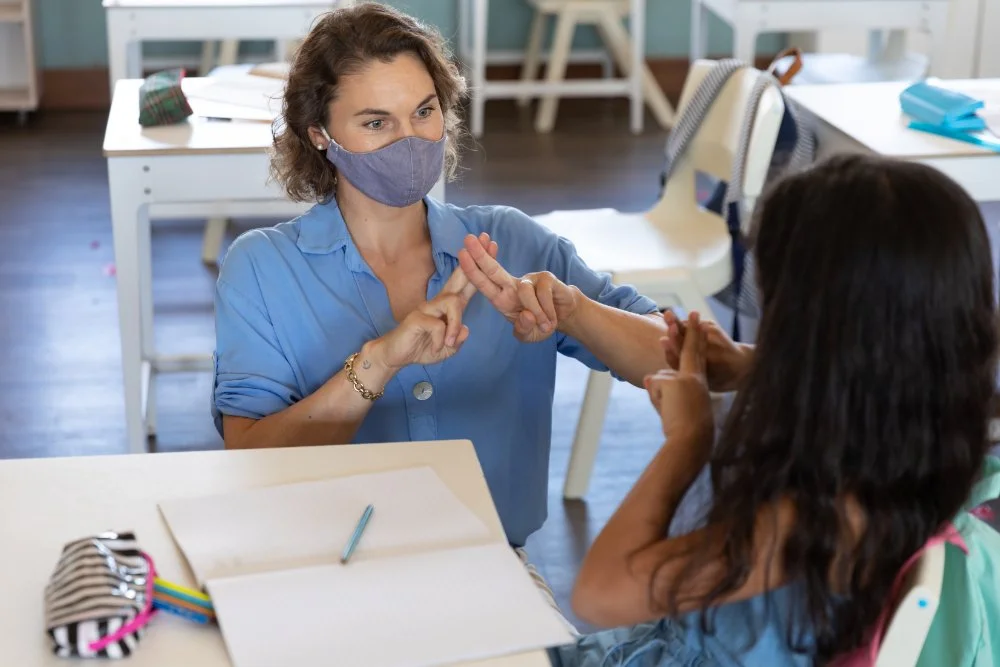
Legislation & Guidance in schools & education settings
Price Training Legislation & Guidance Part 1
An awareness session for visiting health and social care professsionals.

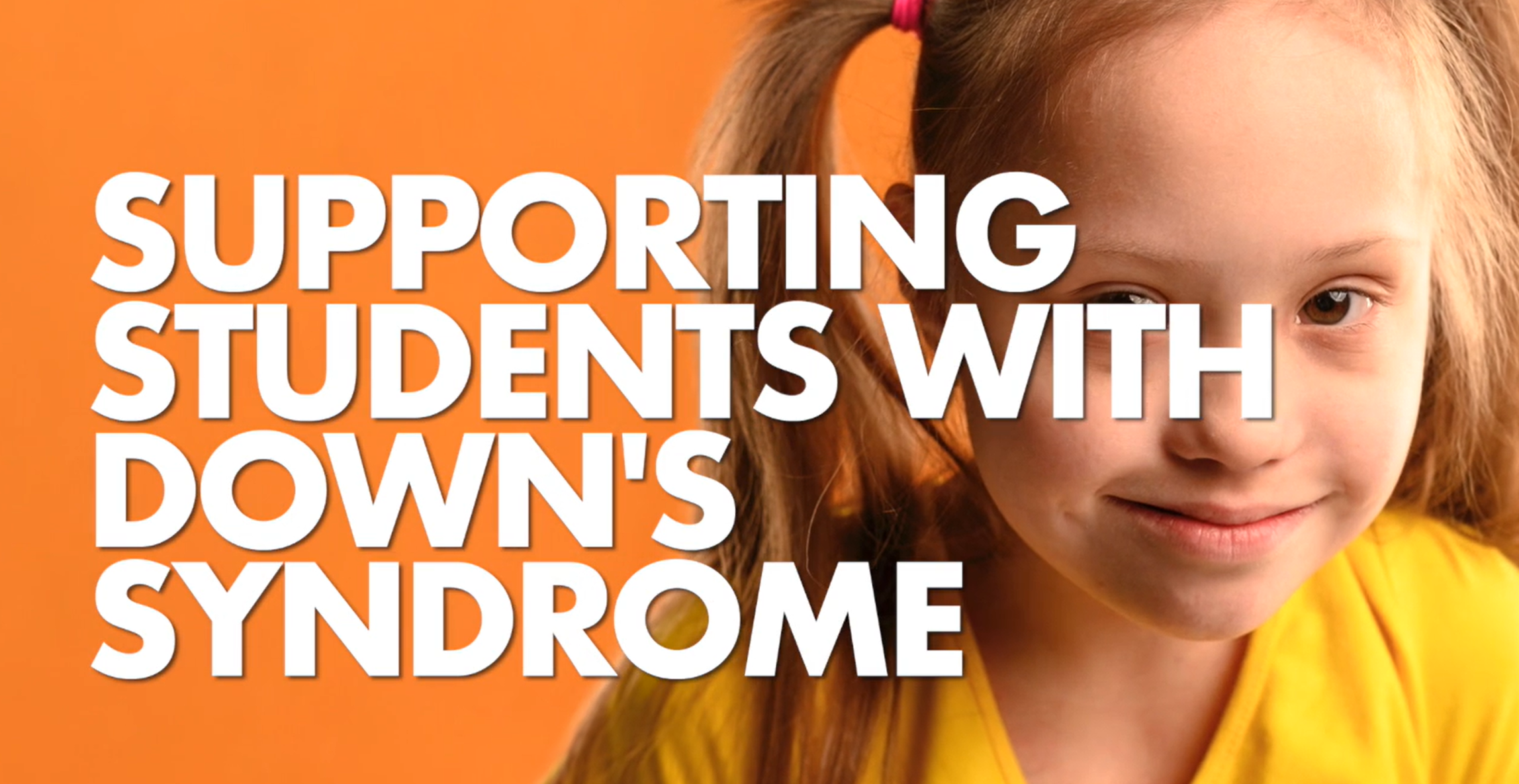
Down’s Syndrome
Down’s Syndrome is a genetic condition caused by the presence of an extra chromosome (chromosome 21). It affects a person’s development in areas such as learning, communication, and physical health. Every child with Down’s Syndrome is unique, with their own strengths, personality, and needs.
Autism
Autism is a neurodevelopmental difference that affects how a person experiences the world. It can influence communication, social interaction, thinking patterns, and sensory processing. Autism is a spectrum, meaning every autistic child is different, with their own strengths, needs, and ways of learning.
Sensory & Physical Needs
This may incorporate physical, hearing or vision. Each child will be unique and different it will be very important to find out how the child’s need is supported in the classroom and what barriers they may experience from staff who know the child – always ask. There maybe therapy plans or particular protocols associated with the child.
Sensory Processing Differences
We all use eight senses to understand and respond to the world around us: proprioception (body awareness), interoception (internal body signals like hunger or needing the toilet), tactile (touch), vestibular (balance and movement), auditory (hearing), vision (sight), smell, and taste. Some children process sensory information differently. For some, these differences have little impact on their daily life. For others, sensory processing needs can significantly affect their ability to learn, participate, and feel comfortable in school.
Social Emotional & MentaL Health needs
All behaviour is communication. There maybe a range of presenting needs associated with social experiences, self esteem personal experiences. SEMHs refers to how children experience and manage emotions, build relationships, and cope with challenges.
Social Communication Needs
SLCN refers to differences with understanding or using spoken language. These needs can affect how a child communicates, learns, and builds relationships. Some children may have a diagnosed condition (e.g. Developmental Language Disorder), while others may have delayed or different language development.